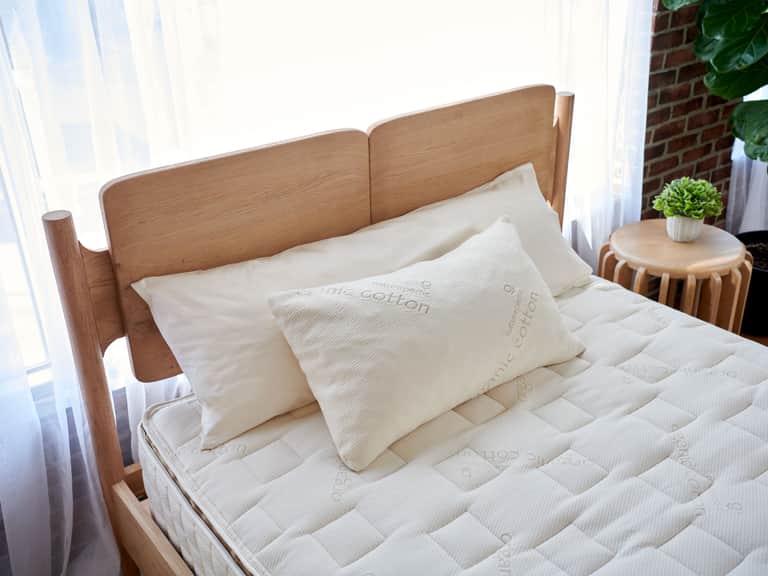
Latex materials in bedding offer resilient support with natural conformity, improving spinal alignment while maintaining airflow for a cooler sleep surface. Latex pillows and mattresses are valued for their durability and hypoallergenic properties, often sourced from rubber trees through sustainable processes. Understanding latex types helps consumers assess firmness, bounce, and pressure relief for various sleep positions.
Organic latex products emphasize low chemical exposure and sustainability, aligning with bedding choices that prioritize healthy sleep environments. Key features include natural Talalay or Dunlop processing, antimicrobial properties, and the absence of synthetic additives. These characteristics contribute to a breathable, supportive surface suitable for sensitive individuals and households prioritizing eco-friendly materials.
Within the latex category, pillow designs like the Naturepedic Solid Organic Latex Pillow provide sturdy neck support and consistent loft, helping maintain proper alignment for back and side sleepers. An adjustable option, such as the Naturepedic Organic Adjustable Latex Pillow, allows customizing height through removable inserts, enhancing comfort for varying head and neck needs.
Functional benefits of latex pillows include durable resilience that maintains shape over time, allergy-friendly hygiene, and minimized heat buildup due to inherent breathability. When selecting latex bedding, consider firmness, loft, and fill composition to match sleep style, whether side-sleeping, stomach-sleeping, or back-support focused preferences.
In the context of organic mattresses and crib options, latex products contribute to a balanced sleep environment by combining pressure relief, temperature regulation, and natural materials. For households seeking durable, chemical-free bedding, latex choices pair well with other organic bedding components such as sheets and pillows that support restful, healthy sleep.
 Bedding