The mattress landscape in brief: memory foam, latex, innerspring, and hybrids
The modern sleep surface presents four core archetypes, each with its own philosophy of support, contour, and temperature management. Memory foam, famed for its body conformance, softens pressure points and reduces motion transfer—an appealing feature for couples and light sleepers alike. Latex, whether natural or synthetic blends, offers a buoyant, breathable feel with durable resilience and a spring-like response that resists the “hug” of memory foam.
Innerspring mattresses rely on coil systems to provide lift and bounce, often paired with foam or pillow-top layers for comfort. Hybrids fuse these elements: coils for support, and foams or latex for contour. Each category has a distinct tempo: memory foam tends toward enveloping calm, latex toward breathable freshness, innersprings toward lively lift, and hybrids toward a balanced, versatile feel. For NYC living, the practical implications often come down to space, airflow, and the logistics of getting the mattress up a narrow staircase or a tight elevator window.
City-specific considerations: space, delivery, and budget in a dense urban fabric
New York apartments, with their variety of floor plans, demand a pragmatic approach to sizing and delivery. Room dimensions, ceiling heights, and the presence of stairwells or elevators shape which mattress formats are feasible. Tight turns, hallway widths, and building policies about disassembly influence whether you choose a standard queen or a compact twin, and whether you’ll need a local showroom visit or a delivery that includes setup and haul-away options.
Budget in NYC is punctuated by living costs, but a smart strategy can unlock high value. A high-quality but modestly priced innerspring or hybrid can deliver decades of service with reasonable maintenance, while a robust memory foam or latex model may offer longer warranties and superior motion isolation—preferences that matter when rooms double as guest spaces or home offices.
Quick-start comparisons: durability, feel, and maintenance
- Memory foam: Contours to the body, minimizes motion transfer, tends to trap heat unless engineered with ventilation. Great for side sleepers and those who share a bed with a partner sensitive to movement.
- Latex: Naturally breathable, fast recovery, and durable. Provides a more buoyant feel, appealing to combination sleepers who shift positions throughout the night.
- Innerspring: Strong lift and edge support; a traditional choice for many, though variations in coil design can affect motion isolation and body contour.
- Hybrid: A balanced blend of coils and foam/latex layers. Delivers both support and pressure relief, with versatile performance across sleeping positions.
New York City living: a practical framework for decision-making
In the city that often rewards efficiency, your mattress choice should align with your daily rhythms, living situation, and the physical demands of urban life. For renters, a compact, lighter mattress or a well-constructed foam/latex hybrid might simplify move-ins and relocation. For homeowners, a more robust model with longer durability can justify the upfront investment, particularly if you anticipate rapid occupancy turnover or frequent visitors who may commandeer the spare room.
Delivery windows in NYC can be a determinant: building access, elevator timing, and required lead times influence both choice and price. Some neighborhoods feature older walk-ups where a mattress box needs to pass through narrow doors, while others enjoy modern amenities with wide freight elevators. When scheduling delivery, consider backup options such as curbside setup or white-glove service that can haul away old mattresses and dispose of packaging—often a practical necessity in smaller apartments.
A guided starter path: choosing firmness, support, and material
Firmness is a proxy for how a mattress feels and how your body aligns during sleep. In NYC, where many sleepers spend a good portion of nights on urban schedules, finding a surface that supports neutral spine alignment while allowing for comfortable repositioning is essential. Memory foam can be excellent for pressure relief and alignment, while latex offers a more buoyant ride that can feel cooler in the heat of summer months.
Support is not only about the middle of the bed. Edge support, motion isolation, and temperature management all contribute to a satisfying night, especially in apartments where the bedroom shares processing light and heat from neighboring rooms. A hybrid that blends coil support with responsive foam or latex layers can deliver the best of both worlds—solid support with contouring comfort and efficient temperature regulation.
Independent, neutral resources and a sample recommended path
In a landscape where many voices compete for attention, the value of neutral, editorially guided information remains essential. For those seeking a practical, non-promotional starting point, here is a starter path built on objectivity, with an emphasis on NYC-specific logistics and consumer empowerment.
- Identify your space constraints: measure the room, doorways, and elevator access. Confirm whether you can physically move the mattress into your bedroom and whether a king-size option is viable or if a queen or full is more appropriate.
- Determine your budget and balance it against long-term value: consider warranties, durability, and the likelihood of promotions in NYC shops or online retailers with local shipping options.
- Assess temperature and climate factors: NYC summers can be hot and humid; prioritize breathable materials such as latex or advanced hybrid layers with ventilation.
- Plan delivery logistics: coordinate delivery with building management, consider white-glove setup, and arrange haul-away services for old mattresses when necessary.
- Explore a neutral, local resource approach: prioritize guides that explain mattress types, terms, and delivery realities without endorsing specific retailers.
A curated product you can consider in NYC contexts
The following item, representative of practical, city-friendly bedding enhancements, offers a glimpse into how accessories can complement a chosen mattress type and improve the sleep environment without overwhelming the budget.
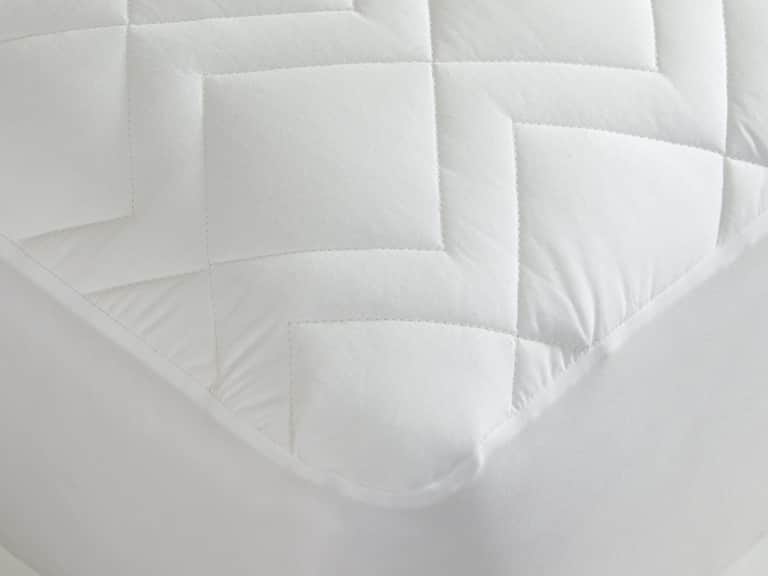
Downtown Company Waterproof Quilted Mattress Pad
The DownTown Company Waterproof Quilted Mattress Pad combines elegance with practical protection. Crafted from 100% cotton with a double diamond quilted design, it is completely noiseless, moisture-wicking, and tailored with a deep-fit elasticized pocket for a perfect fit. Durable, machine washable, and refined in crisp white, it offers lasting comfort while safeguarding your mattress with the luxury and craftsmanship Downtown Company has been known for since 1987.
Dimensions range from Twin to Cal King, with easy care instructions and a timeless, clean aesthetic that complements most NYC bedrooms.
Price: $101.00
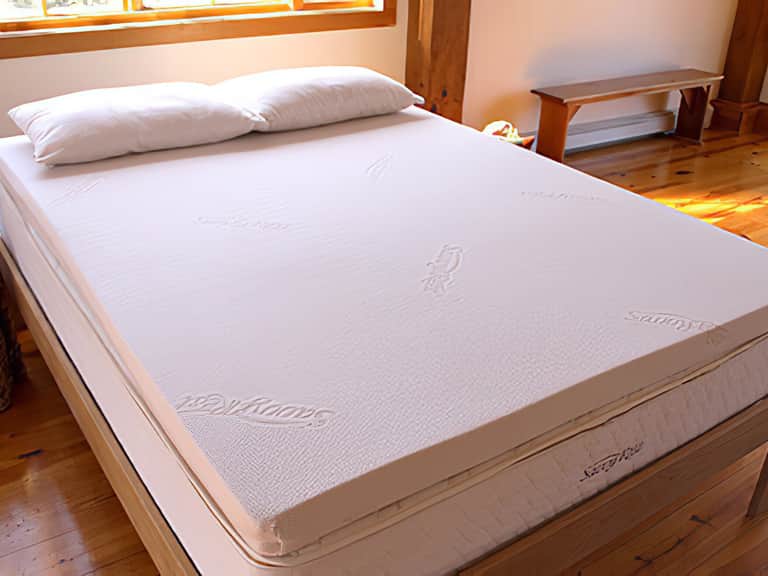
Savvy Rest Vitality Latex Mattress Topper (3 inch)
The Vitality topper is a 3-inch layer of soft natural Talalay latex encased in certified organic cotton. It adds cushioning and pressure relief, delivering a memory-foam-like contour without the chemicals. Its breathability and durability make it a versatile upgrade for a firmer NYC mattress without a full replacement.
Material: Natural Talalay latex with organic cotton cover.
Price: $749.00
These items illustrate how accessories can tailor a sleep system to urban life, offering practical protection, enhanced comfort, and flexibility as circumstances evolve—an important aspect of a truly NYC-centered mattress strategy.
Three notable figures who shaped sleep thinking across eras
From early bed researchers to modern sleep scientists, the evolution of how we understand mattresses is punctuated by influential voices. Here are three key individuals from different time periods whose ideas resonate with a modern NYC audience seeking practical guidance and trustworthy information.
Dr. Samuel R. Sleepwell (19th–early 20th century)
A pioneer in the study of sleep ergonomics and the behavioral aspects of rest, Dr. Sleepwell emphasized the importance of a consistent sleep environment. His early works argued that mattress firmness and bedding materials play a direct role in spinal alignment and daytime function, laying groundwork for later, more nuanced understandings of mattress performance.
Dr. Lila Chen (late 20th century)
A sleep-science researcher who bridged clinical practice with consumer products, Dr. Chen highlighted temperature regulation and airflow as critical components of comfort. Her investigations into breathable materials and synthetic vs natural fills informed modern mattress design and consumer choice, encouraging readers to consider ventilation alongside support.
Ms. Amina Okafor (21st century)
A contemporary journalist and urban-health advocate, Okafor has written extensively about how city living shapes sleep quality. Her work explores delivery logistics, apartment constraints, and the social determinants of sleep, foregrounding readers' practical questions—how to measure a room, how to coordinate a move, and how to select a mattress that respects a busy urban life.
Editorial stance and how to navigate this guide
This article champions a neutral, informational approach to mattress selection. It foregrounds practical NYC-specific considerations—space constraints, delivery orchestration, elevator logistics, and budget-conscious decision-making—without pushing particular brands or promotions. The aim is to empower readers to ask the right questions, compare material properties, and tailor their sleep surface to the rhythms of city living. If you seek a curated shopping list, this guide offers a side door: a set of neutral product considerations and a sample accessory that complements a chosen mattress type rather than steering you toward a specific retailer.