Wool is a natural bedding material valued for its resilience, breathability, and ability to help regulate temperature. In pillows and mattress components, wool fibers can support airflow and help manage moisture, contributing to a comfortable sleep environment across changing seasons. Understanding these characteristics helps clarify how wool relates to bedding, sheets, and sleep comfort.
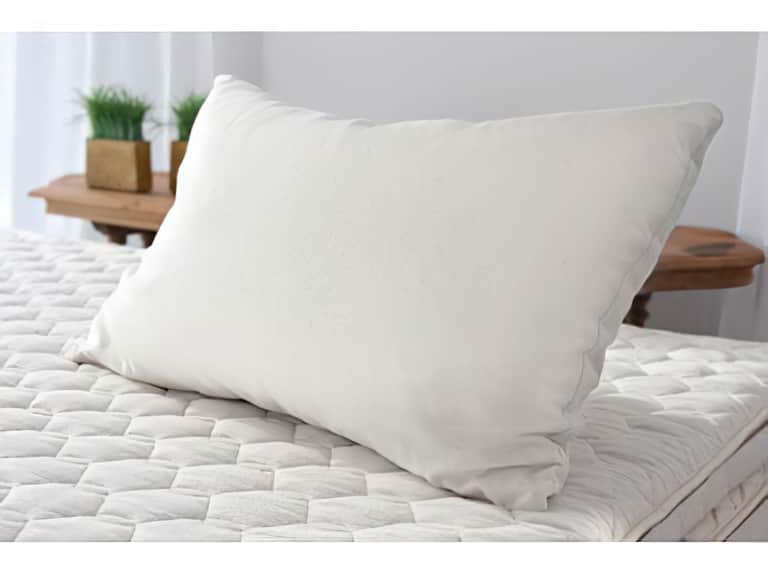
The Savvy Rest Wool Pillow features wool fill, a renewable fiber with a springy structure that can provide cushioning and adapt to the sleeper’s head and neck. Wool’s natural loft may offer a distinct feel compared with some synthetic fills. Pillow comfort depends on personal preference, sleep position, and how much support an individual needs.
Wool can absorb moisture vapor while remaining breathable, which may help limit the damp feeling associated with heat and perspiration during sleep. Its temperature-buffering properties are relevant to people who prefer bedding that feels less insulating than some dense fills. These qualities describe the material, while overall comfort varies with room conditions and individual needs.
Wool bedding is often considered alongside organic mattresses and organic crib mattresses because it is a natural fiber used in sleep products. Material composition, processing, and certifications differ by product, so the presence of wool alone does not establish that an item is organic. For infant sleep spaces, follow current safe-sleep guidance and product-specific instructions.
Care requirements for wool pillows depend on their construction and labeling; gentle handling and appropriate airing can help preserve the fill’s loft and usability. Unlike sheets, pillows are not usually laundered as frequently, and moisture exposure should be managed according to care directions. Comparing fiber content, pillow dimensions, and support characteristics helps explain product suitability.
 Bedding